


Communicating for sustainable infrastructure
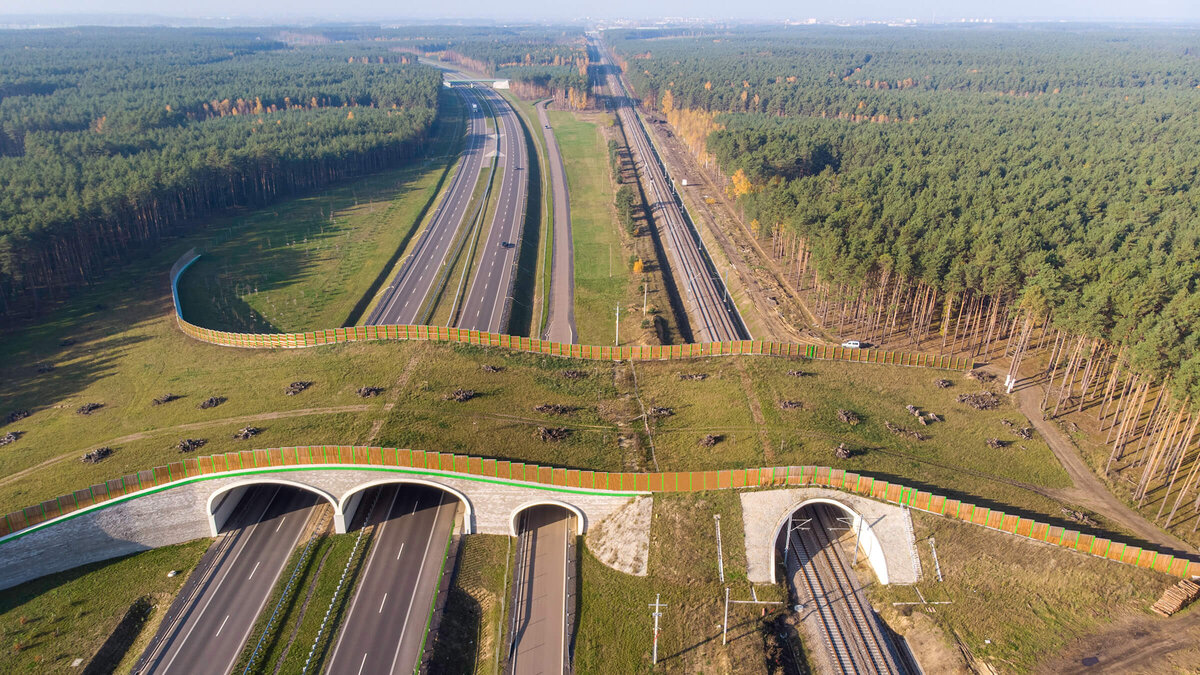
We are passionate about communicating construction and infrastructure projects – from the expansion of the electricity grid and production sites of regional companies to transport infrastructure and drinking water supply. What matters most to us is that these projects contribute to future-proof, sustainable development. At the same time, we recognise that every measure has an impact on existing structures and ecosystems. It is precisely this ambivalence that we aim to address transparently. After all, sustainability does not come for free. Without an understanding of the necessary interventions, climate-relevant infrastructure struggles to gain public acceptance.
As communicators, we see it as our responsibility to shape this discourse. Our aim is not merely to generate acceptance, but to foster long-term dialogue. Citizens and businesses should be able to understand why projects are necessary, what impacts they have and which interests are at play. Conflicts over land use are part of this: Cities must rebalance the allocation of space for transport, housing and green spaces. Businesses wishing to continue investing in their region require land that has previously served other purposes. The alternative – relocating abroad – is usually the worse choice for the climate, value creation and social structures.
Three factors shape our communication work:
1. No greenwashing – honesty before perfection.
The positive effects of sustainable projects should be highlighted, but the downsides must not be glossed over. Credibility comes from transparency: what interventions are necessary? Which compromises are unavoidable? Thoughtful communication builds trust in the long term.
2. Ongoing dialogue rather than one-off information.
Planning and approval processes are complex. Only when people understand the technical background can they give their consent or help shape the process. Our task is to make information accessible, create space for questions and facilitate low-threshold participation. In this way, controversial discussion turns into constructive dialogue.
3. Climate and the environment must be included in communication from the very outset.
Environmental impacts are now key assessment criteria. Citizens expect companies to critically reflect on and disclose their actions. That is why we advise project developers: actively bring sustainability into the dialogue – not just when asked. Those who communicate early on set the relevant agenda themselves, rather than being left behind by changing trends.
Conclusion
Responsible communication is a key building block for the successful infrastructure of the future. It fosters an understanding of complex interrelationships, highlights conflicting objectives and gives society the opportunity to contribute to the planning of projects. Our aim: to communicate in a thoughtful, dialogue-oriented and transparent manner – to ensure solutions that enjoy broad support and enable sustainable development.

“Actively communicating sustainability: yes – but it must be well-considered and transparent!”
Nina Sophie Rittler
+49-911-530 63-122
nri@kaltwasser.de
https://www.linkedin.com/in/nina-rittler