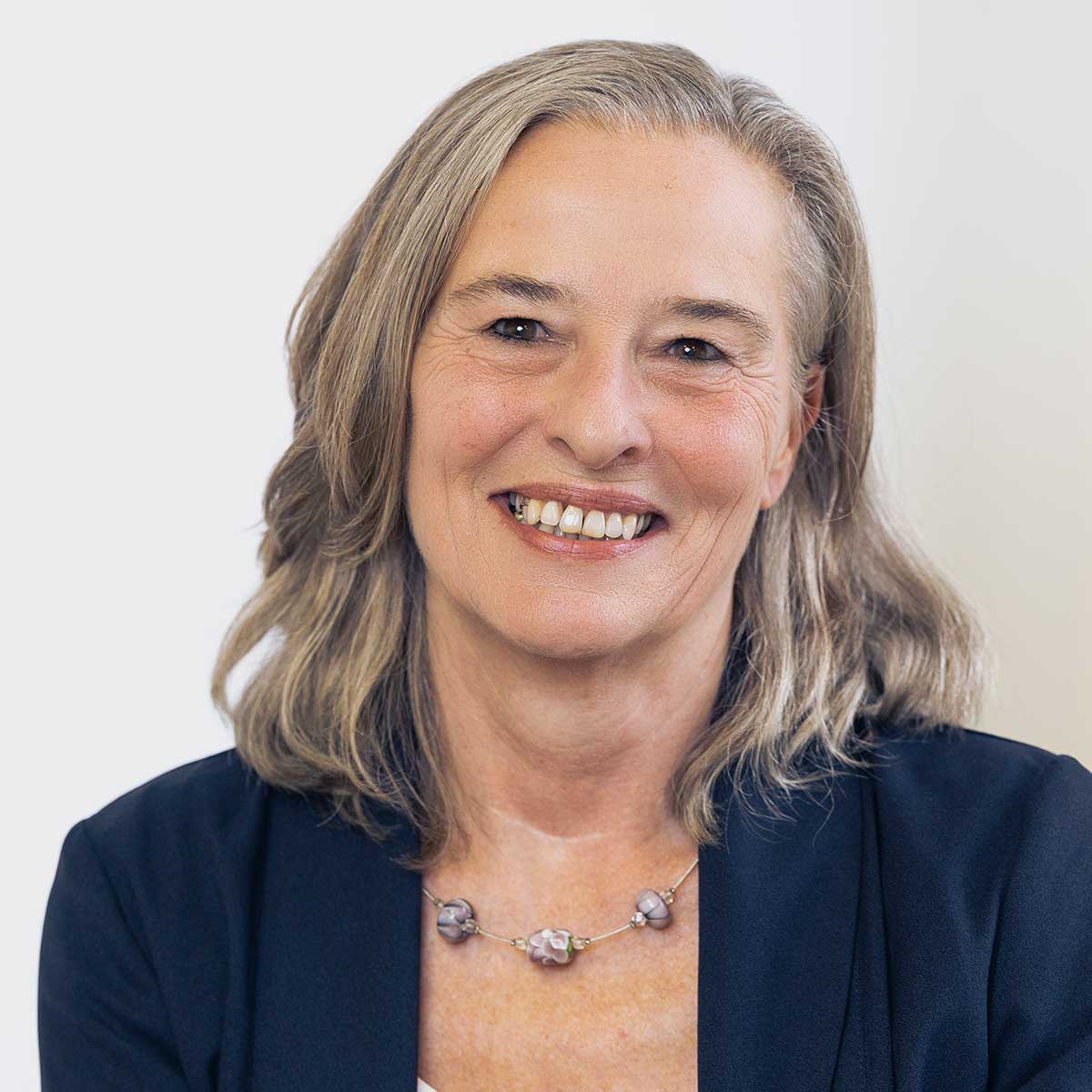
An interview with Dorothee Bär
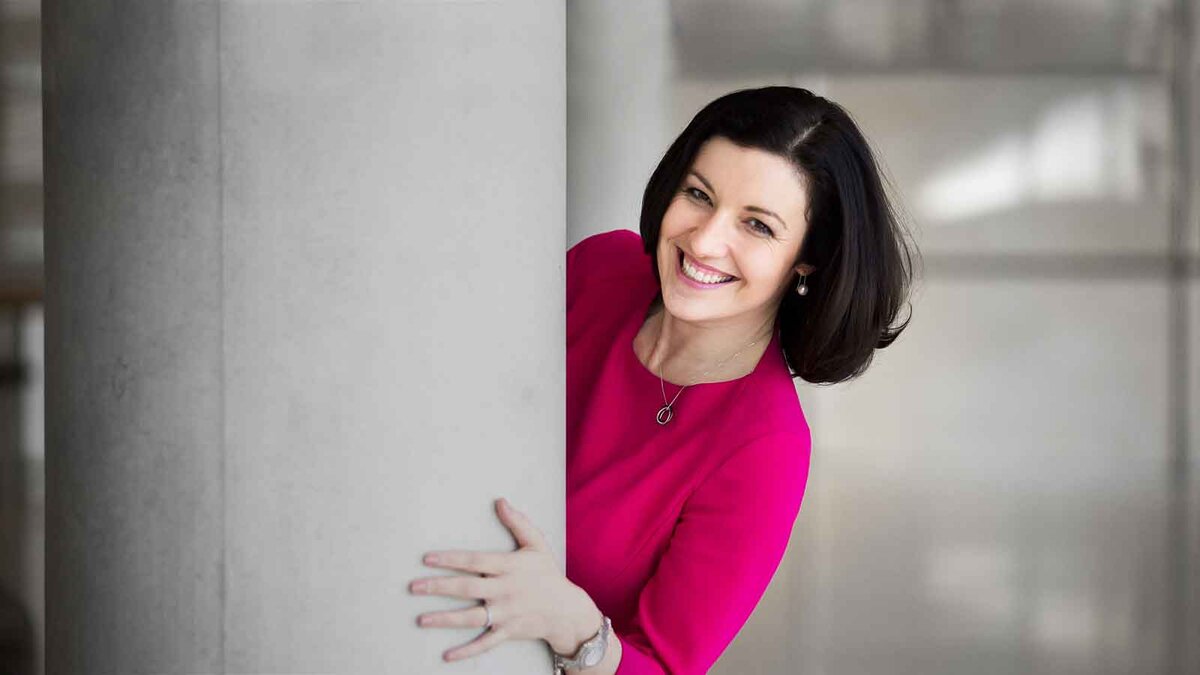
Political Communication
Last autumn, on 24 October, the current German Bundestag was constituted. That was over 100 days ago, and – setting a new record – we still do not have a new government.
We asked Ms Dorothee Bär (CSU), a Member of the German Bundestag and State Secretary at the Federal Ministry of Transport and Digital Infrastructure, how – and whether – political communication has changed during this period.
How do you feel about this ‘quiet’ period? Is it an exceptional situation for you too?
Bär: Yes, of course it is an exceptional situation, as it is a new situation that has never before been seen in Germany. Nevertheless, it is not a ‘quiet period’. For those who were involved in the exploratory talks or are now involved in the coalition negotiations, it is by no means a quiet phase. First there were the Jamaica coalition exploratory talks, followed by a few days’ respite, and then things picked up again straight away with the exploratory talks with the SPD.
As is well known, you use many different social media platforms such as Twitter, Instagram, Facebook and also Snapchat. In your opinion, was that an advantage during the election campaign? To what extent did that become apparent?
Bär: You don’t win election campaigns by using social media, but you can lose them if you don’t use it. And one advantage, of course, is that it gives you a much more direct line to the public than sending out a press release.
How do you find the time to manage all these channels?
Bär: For me, it’s like breathing. (laughs)
At the end of November last year, President of the Bundestag Wolfgang Schäuble issued new guidelines regarding the use of electronic devices in the plenary chamber. Taking photographs, tweeting or sharing updates on the proceedings are now deemed undesirable. How do you respond to this?
Bär: A ban is unenforceable. I have, in fact, made my views on this very clear. Tweeting and sharing news are standard practice, as they serve to facilitate communication with the public. Just as parliamentary coverage takes place on television. However, I do find the ban on taking photographs understandable, as I find the taking of selfies in the plenary chamber unacceptable.
The SPD and the CDU/CSU are observing a code of silence towards journalists regarding the exploratory talks. Do you think this jeopardises the relationship between politicians and journalists, or indeed the public?
Bär: I actually found it rather helpful that they exercised discipline in this regard, so that not every interim development was immediately trumpeted from the rooftops. It’s also about not constantly informing people of every single update – which is already out of date five minutes later. That only confuses the public. In that respect, this was very positive in terms of maintaining discipline.
The interview was conducted by our media studies student Alexandra Weinig in the foyer of the CDU’s federal headquarters at the Konrad-Adenauer-Haus in Berlin.