


Greater public involvement and participation –
Three tips
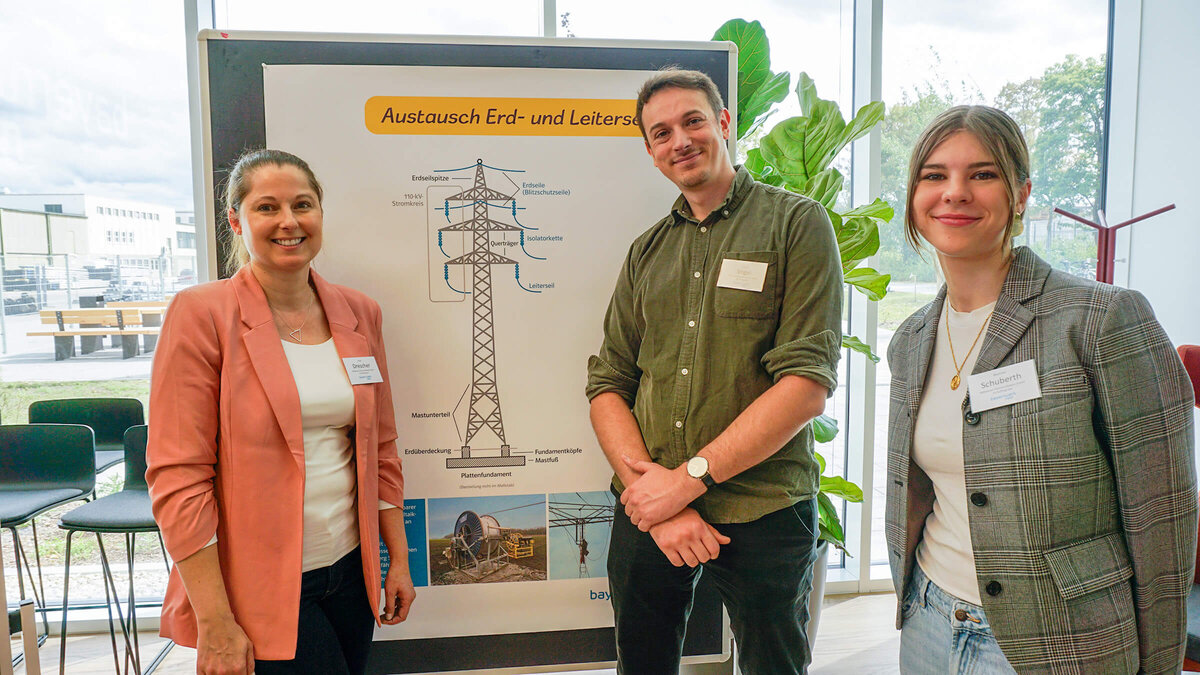
3 tips for integrating ‘quiet groups’
1. The right way
to address people Use simple, clear language and short sentences. Focus on key messages and explain technical terms in a way that is easy to understand. Examples help to make abstract concepts more tangible. Address citizens directly and respectfully – after all, this concerns their everyday lives and their role in shaping them. A personal approach builds rapport and sends the message: ‘Your opinion matters.’
2. The right format
: In citizen participation, rely on diverse and dialogue-oriented formats. Avoid monologues and overloaded presentations; facilitate exchange on an equal footing. Provide space for one-to-one conversations, as many members of ‘quiet groups’ prefer to share their thoughts in a personal setting.
Provide noticeboards and feedback walls so that opinions can be recorded in writing. Working in small groups encourages participation, particularly for people who are less active in large groups. Diverse groups encourage mutual learning.
Expand on traditional methods by incorporating creative techniques such as storytelling, mind mapping, Lego® Serious Play, walks through the project area or audio recordings of participants’ own words. This will help you reach different target groups and increase their willingness to participate.
3. Well-planned logistics
Choose suitable venues and avoid ‘online-only’ formats – many quiet groups are less tech-savvy. If digital participation is necessary, use tools that are easy to understand. Local projects should be organised as close as possible to the project site; regional issues require less physical proximity.
Take different time slots into account: older people are more likely to attend during the day, whilst those in work tend to come in the evening. Ensure accessible entry points and welcome participants in person – an important step towards engaging quiet groups and providing guidance.
Opt for an open-plan layout rather than podium-style set-ups, which create distance. Encourage interaction, including between neighbours, so that quieter groups can join in the conversation more easily. A small spread of refreshments can also help create a welcoming atmosphere and show appreciation.
Conclusion
Successful public participation thrives on proximity, dialogue and clarity. Think locally rather than in abstract terms, informally rather than formally, and continuously rather than sporadically. Create opportunities for interaction and support residents throughout the entire process. ‘Quiet groups’ in particular are a valuable source of knowledge, perspectives and regional experience – and should be actively involved from the outset.
Your Kaltwasser Public Engagement Team wishes you every success with your next public engagement event.
“Anyone who welcomes ‘silent groups’ into participatory processes benefits from the extremely valuable everyday experiences this group brings to planning projects.”
Dr. Karin Schrott
+49-911-530 63-119
ksc@kaltwasser.de