


Facilitation as a key to success
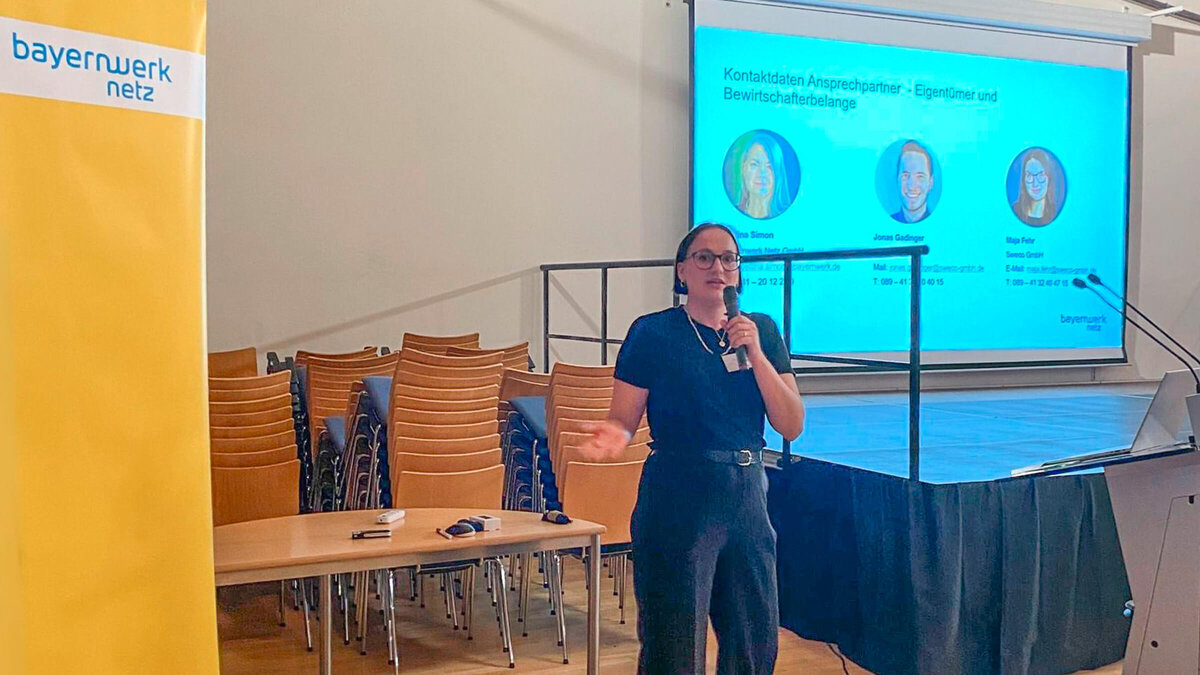
1. Developing a story – preparation is everything
A well-told story captivates people – and the same applies to moderating a session. The more thorough your research into the topics, participants and their perspectives, the more clearly you can develop a coherent narrative structure. This acts as the common thread running through the event.
The storyline should:
- Provide a strong opening that engages the audience.
- Create clear transitions to ensure smooth changes between topics.
- End with a powerful conclusion that emphasises the key messages.
A well-structured timetable and a sound understanding of the content provide the confidence to moderate with aplomb.
2. Skillful transitions and connections
Moderation acts as a link between the speakers, their topics and the audience.
Effective moderation builds bridges between different viewpoints and fosters a fluid dialogue. The art lies in asking questions that build on one another – questions that are not only prepared in advance but also develop from the dynamics of the discussion. This creates space for spontaneous, enriching contributions.
This means:
- Listening actively and picking up on ideas spontaneously.
- Exploring new perspectives.
Asking in-depth questions that arise from the dynamics of the discussion.
3. The power of non-verbal communication
The use of body language, facial expressions and variations in tone of voice helps to build a connection with fellow panellists and the audience.
An authentic demeanour builds trust and creates a positive atmosphere when presenters:
- maintain eye contact with the audience and the speakers.
- Use their voice to build tension and momentum.
Come across as open and friendly – a smile often works wonders.
4. “Read the Room” – Stay flexible
No event goes perfectly. From technical glitches to heated discussions or digressions from the topic: the ability to react flexibly to unexpected situations is a hallmark of good moderation.
With a flair for improvisation, humour and tact, problems can be resolved elegantly without disrupting the flow of the event. Direct but polite references to disruptions or skilfully steering the conversation back to the main topic ensure that the discussion remains productive.
Unexpected challenges require
- keeping a cool head.
- Improvisation and clear responses to keep the discussion moving productively.
De-escalating the situation with humour and empathy.
5. Setting the stage for the speakers
The moderator sets the framework; the speakers deliver the content. A successful introduction of the participants sparks interest and gives direction to the discussions. During the event, the moderator guides the dialogue and ensures that all voices are heard.
Active listening and targeted questioning foster inspiring dialogues that engage the audience and enrich the event. Summaries of the key points structure the proceedings and enhance the clarity of the content.
Conclusion
Successful moderation combines preparation, flexibility and strong communication skills. It enables discussions to be brought to life and content to be presented in a way that is both informative and entertaining. With a clear focus on the connection between speakers and the audience, every event becomes a memorable experience.
Ready for the next event? Then let’s get the show on the road.

“Good moderation brings content together, encourages dialogue and creates an experience that leaves a lasting impression.”
Christina Heinickel
+49-911-530 63-119
che@kaltwasser.de
https://www.linkedin.com/in/christina-heinickel