


Commissioning isn’t the end of the story
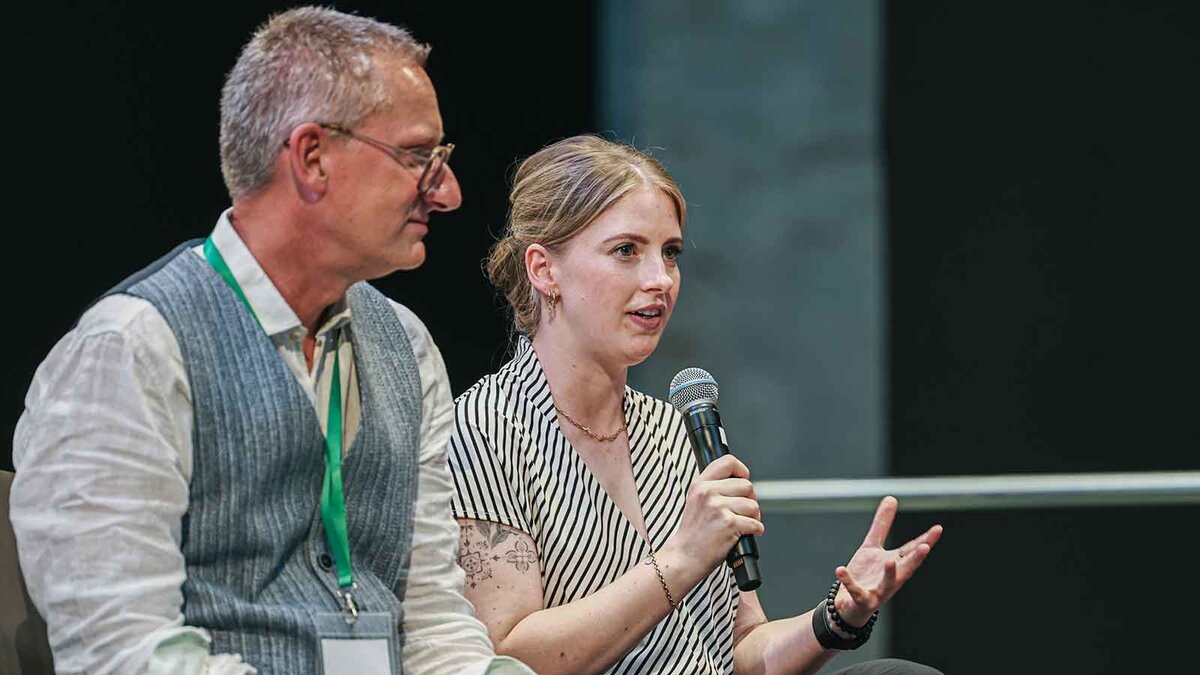
Dear Eva, what do you think makes a project of this scale special?
Above all, bringing together the many stakeholders and points of contact, and ultimately keeping everything on track. We run through lots of different scenarios during the planning stage and scrap just as many again because things change. That doesn’t stress me out; if anything, it spurs my ambition on. It’s precisely this dynamic that drives me. And when everything falls into place in the end, the sense of achievement is all the greater.
The project has been running for over a decade. Has the team stayed together?
Of course, not everything stays the same over thirteen years. But on the whole, a great many people have been working on the Ostbayernring for a very long time, and it is precisely this continuity that is one of the project’s key success factors. This also involves us deliberately organising internal dialogue and face-to-face meetings: we regularly bring staff and partner companies together, for example as part of ‘Lessons Learnt Sessions’. Because when you know how the other person ticks from a face-to-face meeting, day-to-day collaboration is much easier.
What did you consider to be the ‘toughest challenge’ in the project?
The Ostbayernring was one of the first projects of this scale in Bavaria: coordinating the planning across two administrative districts and actually securing the necessary approvals after many years was an enormous challenge. In doing so, we have, to a certain extent, paved the way for all subsequent projects in Bavaria and, in the process, set new standards.
The conversion of existing substations was particularly technically demanding, in some cases due to very limited space. Another factor: 110 kV lines belonging to the relevant distribution system operator run alongside the entire route; this bundling of voltage levels on the Ostbayernring’s pylons is, of course, important for the region, but technically it is anything but straightforward. From the outside, you cannot see it at all, but the electrical engineering behind it is highly complex.
And all this whilst the existing line remained in continuous operation. The flow of electricity had to be maintained at all times to continue ensuring the region’s supply via the old Ostbayernring. That is why numerous temporary arrangements and construction cables were in use along the entire route.
Is there a particular moment in the communication process that has stayed with you?
Generally speaking, we started early on to seek direct dialogue with local residents. In total, there were around 200 information events held over the course of the project! Over time, this has fostered strong relationships – which continue to help us in the operation of the new Ostbayernring. After commissioning, we won’t be leaving; instead, we’ll be operating our infrastructure for decades to come whilst continuing to engage in dialogue with the people in the region
What advice would you give to another energy transition project?
We communicated very early on and transparently; we also stayed on the ball throughout the entire planning permission and construction phases – continuously, openly and on an equal footing, especially when things got difficult. We always took the local people seriously and took their concerns into account as far as we were able.
In cycling, they say: ‘After the Tour is before the Tour.’ So what’s next for the Ostbayernring?
Commissioning is an important milestone, but it’s not the end of the story. Ahead of us lie, amongst other things, decommissioning, work on the adjacent 110 kV power lines, the implementation of mitigation and compensation measures, and the finalisation of the commercial aspects. So we can take a brief breather and celebrate our success. After that, the work continues. Like many others, I’ll be staying on with the project for the time being.
©Photo: Karolina Parot
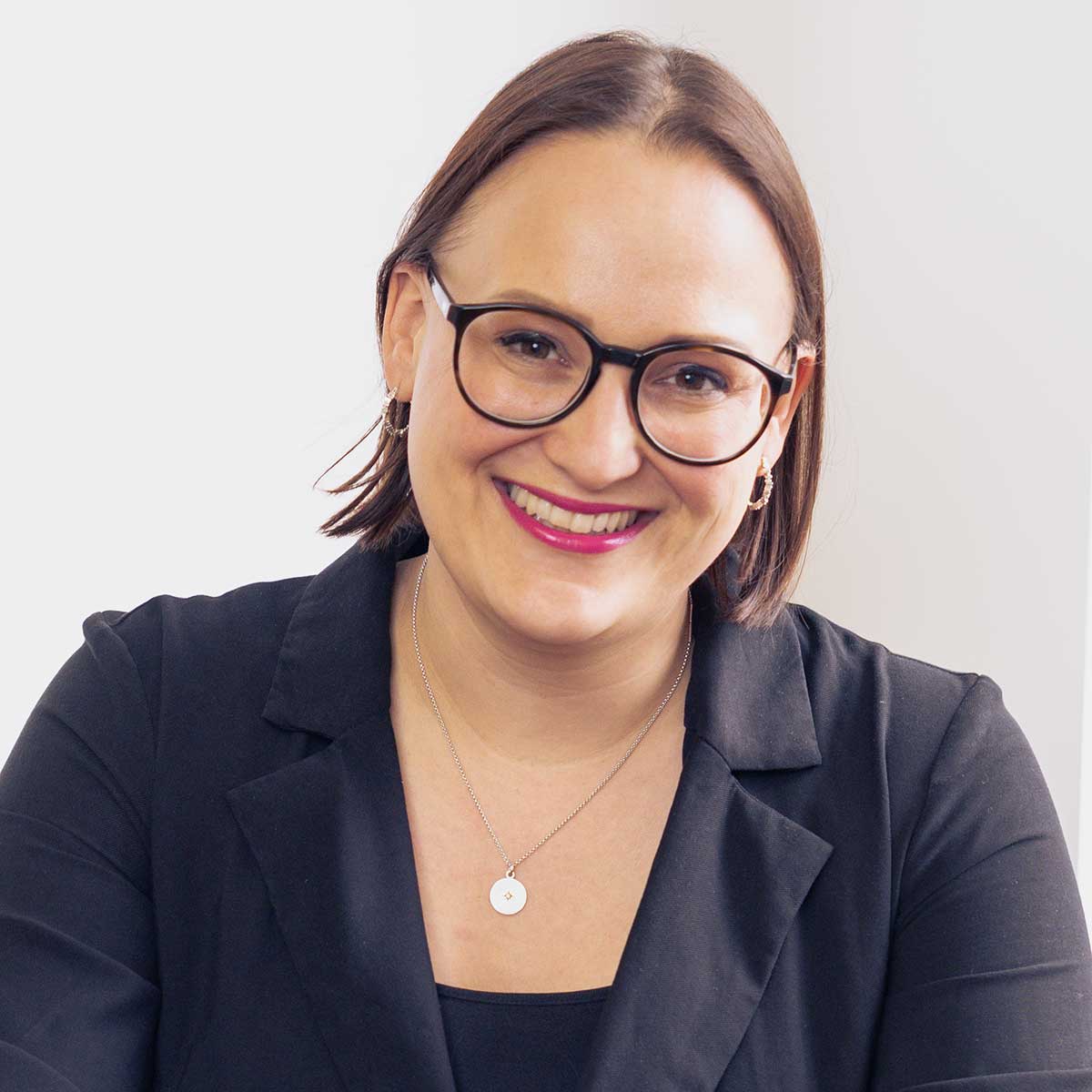
“The official opening of the Ostbayernring marks the successful completion of a mammoth project – and demonstrates just how valuable clear and transparent communication with all stakeholders is, from start to finish.”
Hannah Fischer
+49-911-530 63-113
hfi@kaltwasser.de
https://www.linkedin.com/in/hannah-r-fischer