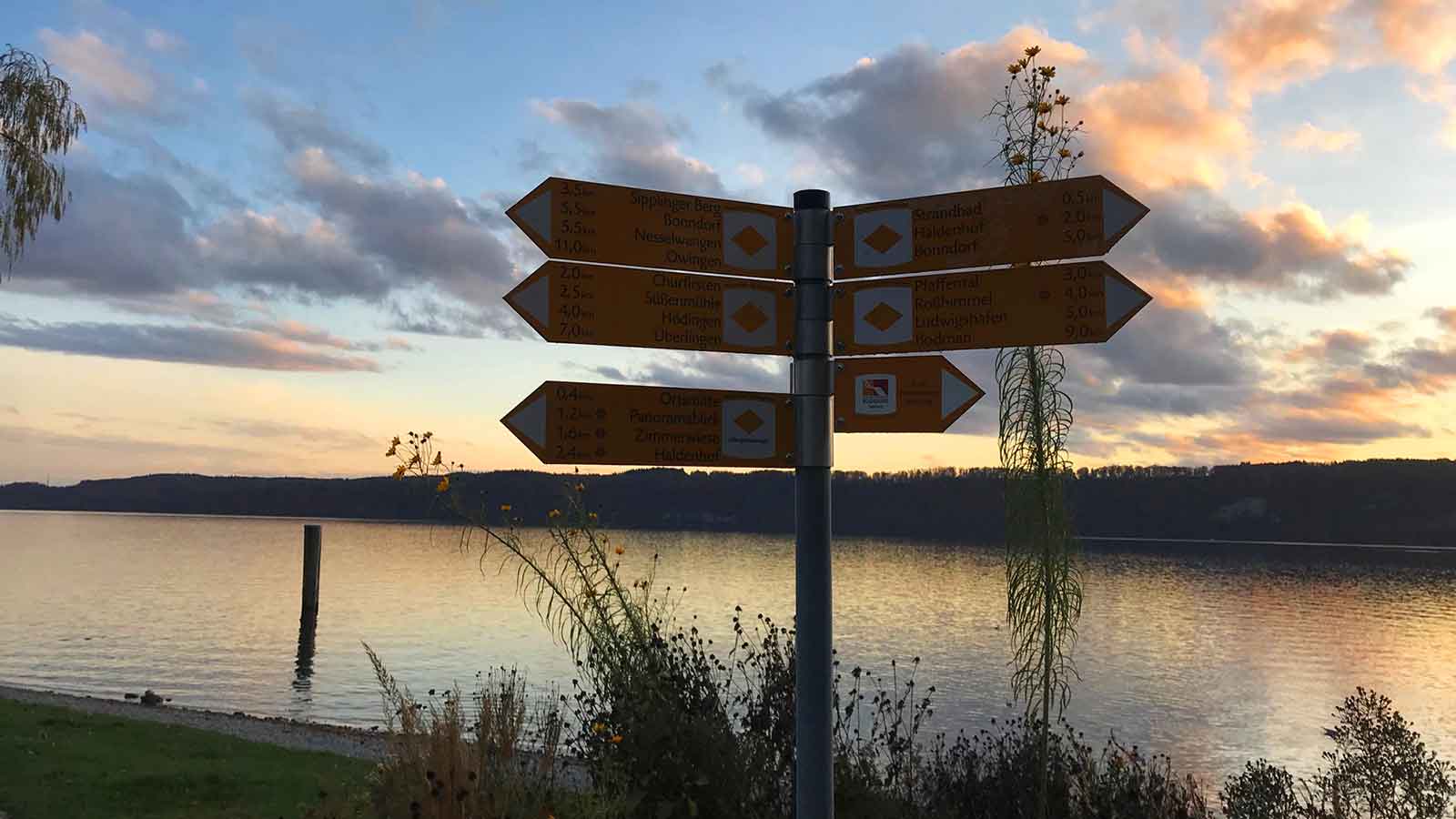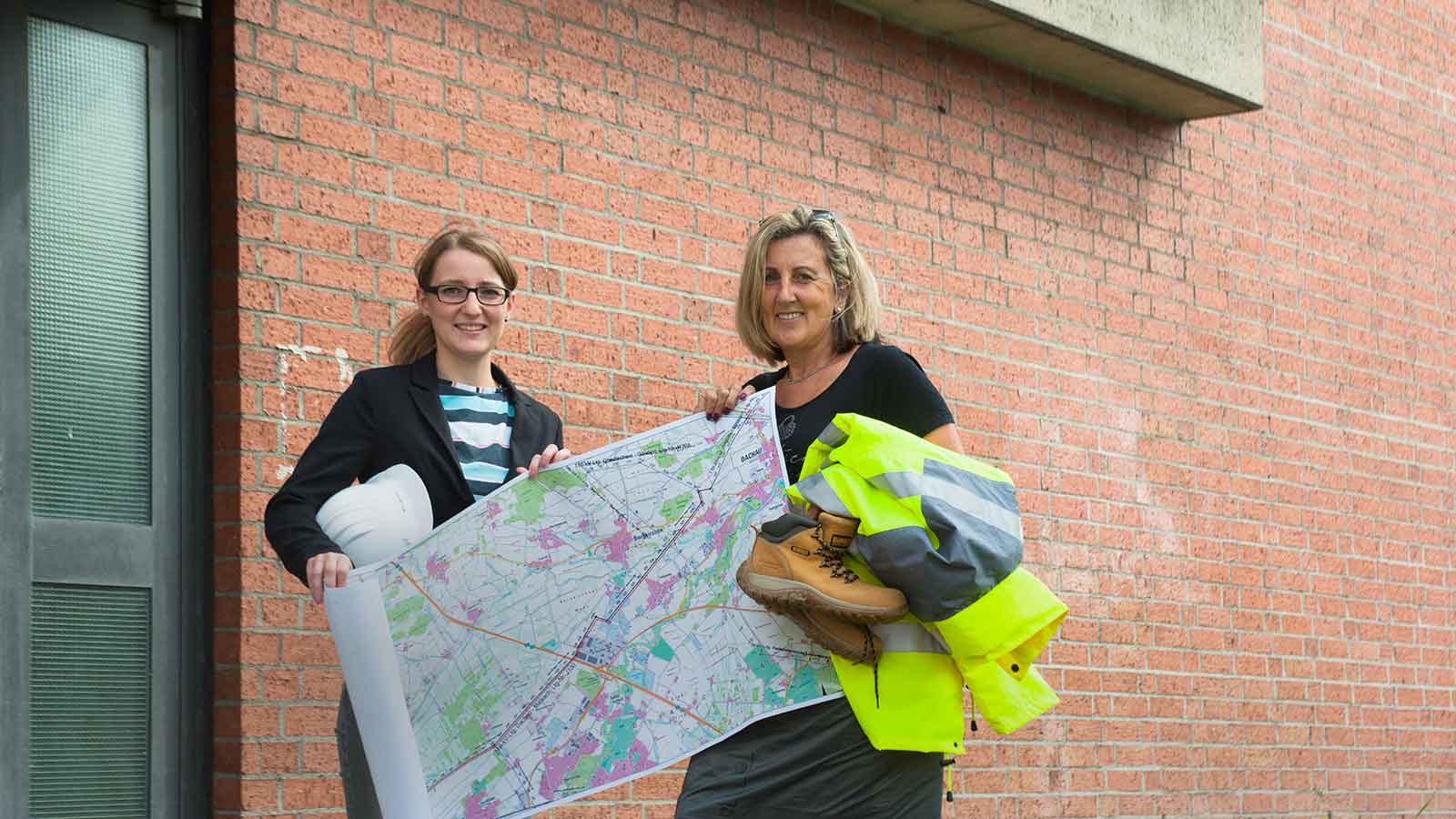
Bodensee-Wasserversorgung (BWV) supplies four million people in Baden-Württemberg with fresh drinking water. To ensure it can continue to fulfil this role in the future, the long-distance water supplier is planning various construction projects and modernisation measures as part of the “Zukunftsquelle. Wasser für Generationen” project. Together with our partner agency Carta, we are supporting Bodensee-Wasserversorgung in communicating with local residents and engaging stakeholder groups. As part of a workshop, we developed a strategy for the effective involvement of the various groups.
Prerequisites for successful participation
The aim is not only to inform local people about upcoming measures, but also – where possible – to involve them in the project in a meaningful and timely manner. During the workshop, we examined the prerequisites necessary for this:
Identification of all relevant stakeholders
Classification of groups according to their interest/involvement and degree of influence
Identifying the right participation method and the appropriate level of involvement
A coherent participation strategy, expectation management, etc.
Appropriate time management between approval procedures, project development and stakeholder input
The participation paradox must always be borne in mind: the further project planning progresses, the better communicators can explain the project, but the more the scope for influence of the stakeholder groups diminishes. When stakeholders are involved as early as possible, detailed project information is often still lacking, so interest in getting involved is generally lower at the outset. Nevertheless, early public participation is recommended, as it increases acceptance of and understanding for the project.
In the workshop, participants worked in groups to assess the level of participation they believed was possible in various project areas on a scale of 1 (very little) to 10 (very much). The results were clearly illustrated using the ‘participation spider’.
In the next step, the workshop participants examined various methods for stakeholder participation. This highlighted the range of possibilities.
Suitable methods for infrastructure projects include, for example:
Neighbourhood walks or site visits
Mental mapping
Focus groups
Exhibitions
Site visits
Planning for Real using 3D models
Online-only participation tools such as planning apps
In the second part of the workshop, participants arranged various areas of action within the project into a timeline priority matrix according to their urgency. For example, the issue of restrictions on water sports during survey work emerged as a high priority. Consequently, initial participation and information measures for the affected group of water sports enthusiasts were developed during the workshop.
The results
The engagement workshop provided our client with a systematic overview of the relevant stakeholders, their level of influence on the project, and methods for effectively engaging the various interest groups. Building on these findings, we can now work with Bodensee-Wasserversorgung to shape the further communication and engagement strategy for the ‘Zukunftsquelle’ project.
"Participation workshops can be used to identify relevant stakeholder groups and determine the right level of participation for the various interest groups."
Nina Sophie Rittler
+49-911-530 63-122
nri@kaltwasser.de
https://www.linkedin.com/in/nina-rittler