Attractively designed, clearly structured, informative and particularly user-friendly: these are the requirements that Esslingen University of Applied Sciences has set for its new intranet, as the portal – being the most important channel for internal communication – is a daily companion for all user groups. Students, teaching staff and administrative staff should be able to find the information relevant to them quickly and easily, whilst receiving optimal support in organising their daily university life. At the same time, the creation and maintenance of content, as well as harmonisation with, for example, the website or social media channels, must be kept as simple as possible.
The aim of the project was to evaluate the necessary structure and content, as well as a suitable system. This resulted in a specification document containing design guidelines, instructions for use and details of work processes related to the intranet. These also include corporate wording, the integration of PDF downloads and regular content updates. This means Esslingen University of Applied Sciences is well-equipped to proceed with the technical implementation in collaboration with an IT service provider.
From a solid data foundation to tailored recommendations
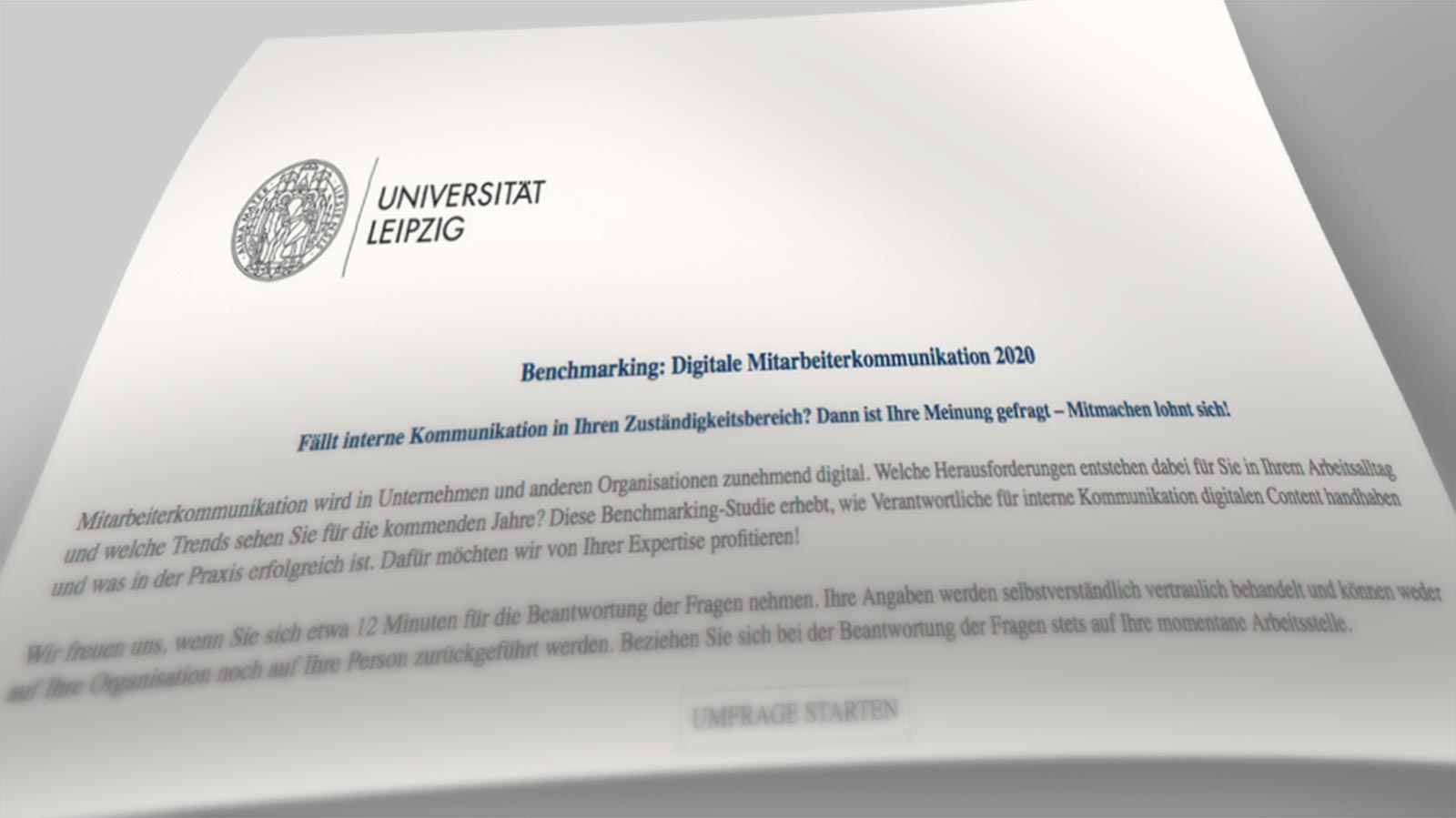
To best meet the requirements of the various user groups, select the appropriate tools from the wide range of possible functions, and tailor the intranet’s structure entirely to the university’s needs, we began the project with comprehensive analyses. In our benchmarking exercise, we compared current trends and best-practice examples with Esslingen University of Applied Sciences’ criteria. In this step, we assessed, among other things, the extent to which the functions of a social intranet are compatible with the university’s data protection requirements and which interactive formats – such as comment and chat functions – staff could manage.
Using guided interviews, we created personas for the various stakeholders and examined the requirements of the target groups. We achieved the desired clear structuring of content and improved user-friendliness through personalised quick access links. We also centralised the programmes for the course catalogue and exam registrations on the portal pages, which are configured specifically for each user group. In a current status and requirements analysis, we compared the existing processes with the capabilities of the new platform and identified potential for improvement and opportunities for further development.
Based on this data, we developed recommendations for appropriate communication measures and devised a user-friendly navigation structure in line with the criteria of good usability and a compelling user experience. Our proposals for establishing standards and guidelines address the following questions, amongst others:
- How can targeted tagging help to reduce the flood of information for all recipient groups whilst ensuring the reliable transmission of all relevant details?
- How can content be distributed across the various channels (intranet, website, social media channels, etc.) in a way that is tailored to the target audience without creating duplicate content?
- What information should be included in a welcome pack to help new students and employees get started on the intranet?
The comprehensive findings from the analysis phase form a solid basis for the development and implementation of the new intranet portal.

"A user-friendly, informative intranet thrives on matching the needs and usage habits of the target groups. Comprehensive analyses in advance are essential for this."
Corinna Wild
+49-911-530 63-109
cwi@kaltwasser.de
https://www.linkedin.com/in/corinna-schrätz